The NSW Aboriginal Land Council (NSWALC) has long been a beacon of representation for the Aboriginal community in NSW.
Still, recent revelations have raised questions about the accuracy of the council’s public claims regarding its membership size.
For many years, NSWALC has been touting itself as Australia’s largest Aboriginal member-based organisation, and this claim might have been in circulation since the tenure of former CEO James Christian who now seems to be a Board Member of the Western Sydney University Board of Trustees and still claims it’s the largest…
But is this claim truly reflective of the council’s structure and membership?
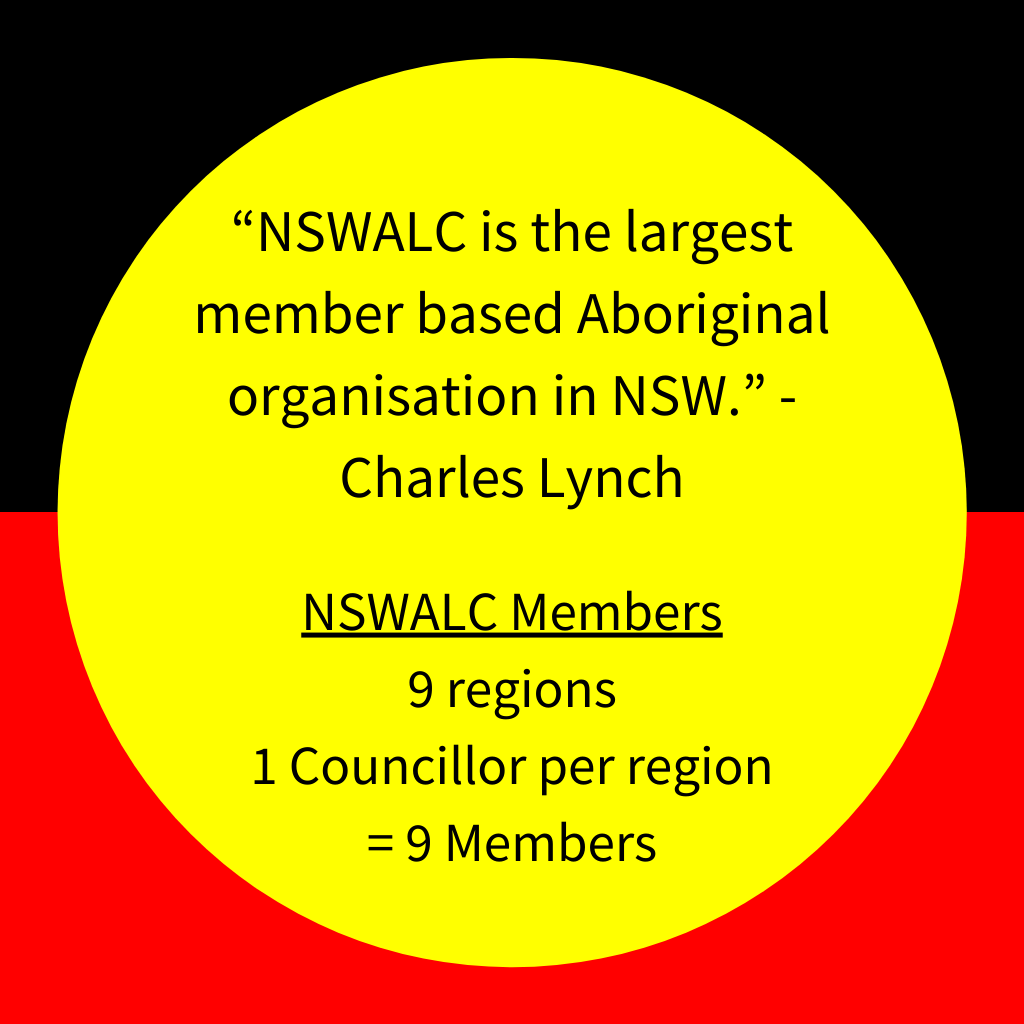
NSWALC ONLY Has 9 Members
Nicole Courtman, Interim Registrar under the Aboriginal Land Rights Act 1983, clarifies the matter.
According to her, “The NSW Aboriginal Land Council (NSWALC) is a statutory body established under Part 7 of the Aboriginal Land Rights Act 1983 (ALRA).
The members of NSWALC under section 120 of the ALRA are the elected Councillors for the 9 regions.
The voting members of the Local Aboriginal Land Councils in each region are entitled to vote in the election for the Councillors under section 121(5) of the ALRA.”
This statement reveals a significant discrepancy.
While NSWALC seems to be claiming the collective membership of the 120 Local Aboriginal Land Councils, which totals around 28,000 members, the actual membership of the NSWALC itself comprises only the 9 elected Councillors (9 regions, 1x Councillor per region = 9 members).
This raises the question: Is NSWALC intentionally misleading the public, or is this a case of miscommunication or misunderstanding?
The distinction between NSWALC and the Local Aboriginal Land Councils is crucial as it pertains to representation, governance, and the voice of the Aboriginal community.
Organisations like NSWALC need to be transparent and accurate in their public communications because misrepresentations on this scale, whether intentional or not, can erode trust and undermine the very purpose of such bodies.
And in the information age, transparency is not just a virtue but a necessity. The Aboriginal community and the broader Australian public deserve clarity on this matter.
Only with trust and transparency can organisations continue to champion the causes they represent effectively.
NSWALC claims to be bigger on its website and media
https://alc.org.au/our-organisation/
https://www.abc.net.au/news/2017-09-27/aboriginal-organisation-will-push-for-a-treaty/8990786
https://www.insights.uca.org.au/nsw-aboriginal-land-council-to-support-yes-campaign/